
August is almost here, which means two things: Perth’s bitterly cold and wet Winter is nearly over, and Jim Chalmers will soon hold his much-hyped Economic Reform Roundtable, focusing on “three key themes”:
- Making our economy more productive.
- Building resilience in the face of global uncertainty.
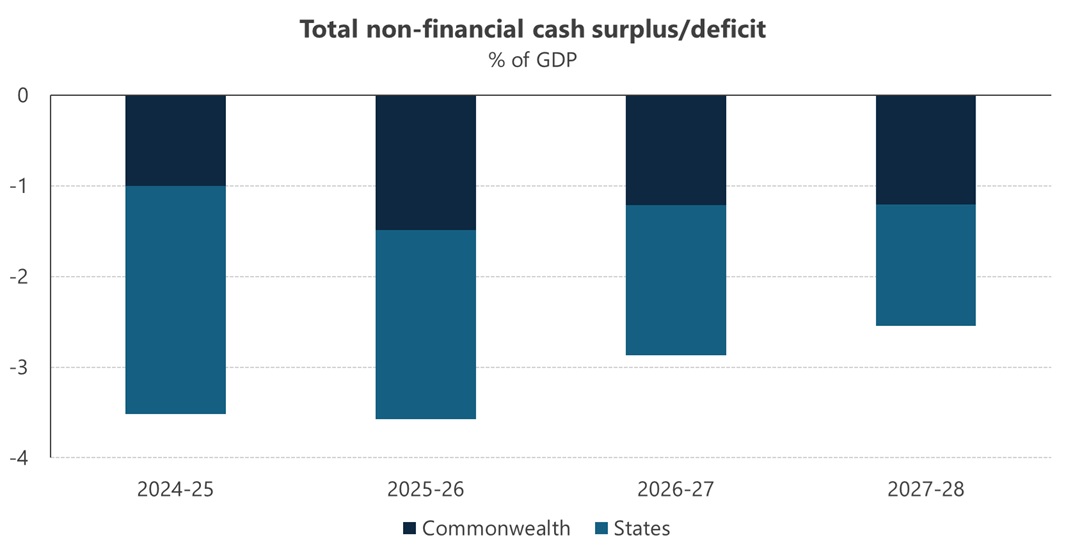
- Strengthening the budget and making it more sustainable.
Those are all worthy goals. But I worry that the constraints the Treasurer has imposed on the discussion will effectively make it impossible to achieve any of them. Here’s why.
Making our economy more productive#
In the long run, productivity determines wages. If Australian workers want to see their incomes keep up with the likes of the United States, then productivity growth is essential.
What drives productivity? Quite simply, doing more with less. That can take many forms, such as adopting smarter ways of working (e.g. specialisation), investing in labour-saving capital equipment (‘capital deepening’), or through new technology that is then diffused through the economy.
But none of that suits the people Chalmers has invited to the table.
Big banks want their oligopoly—and a tax system that favours incumbents over foreign competitors—left untouched. Unions want to lock in existing jobs and wage deals, which means fighting automation and AI. Former bureaucrats will want to revive pet ‘reform’ projects that never passed the political test.
And the people who usually drive productivity—entrepreneurs, small firms, consumers—aren’t even in the room.
Building resilience in the face of global uncertainty#
Economic resilience comes from flexible markets and fast adaptation. Chalmers’ roundtable is more likely to deliver the opposite: a consensus-driven, risk-averse policy designed to protect incumbents. That’s literally its goal:
“The Roundtable is all about building consensus on long term economic reform, with a focus on resilience, productivity and budget sustainability.”
Expect “resilience” to become a buzzword for more subsidies (such as for renewables), industrial policy (solar panels in the Hunter Valley), and protecting “jobs” in places like Kennedy. That might help the big players weather any economic storms, but it will make the rest of us more vulnerable to any shocks.
In practice, Chalmers’ definition of “resilience” is more likely to mean shielding incumbents, not making the economy more adaptive, competitive, and productive.
Strengthening the budget and making it more sustainable#
When politicians speak of “budget sustainability”, they usually mean higher taxes. Indeed, Chalmers has effectively ruled out any changes to spending by requiring that “ideas should be budget neutral at a minimum but preferably budget positive”.
That’s a win for the people in the room: more revenue for politicians to spend, more programs for bureaucrats to run, more funding for union-heavy sectors. Big business will quietly nod along in agreement so long as any tax hikes are structured to protect incumbents and keep new competitors out.
Meanwhile, the real path to a sustainable budget—spending discipline and structural reform—is unlikely to get much airtime because nobody at the table benefits from it.
This roundtable full of Australian elites will reach consensus, to be sure—but it won’t help improve productivity. Real reform doesn’t come from consensus in Canberra. It comes from competition, experimentation, and letting bad ideas fail. Government’s job should be to set fair rules for everyone—not to protect the players already on the field. That’s messy and uncomfortable for the people attending this roundtable, which is why they’ll agree to avoid it.
Spring might be coming to Perth, but don’t expect any green shoots out of Canberra anytime soon.